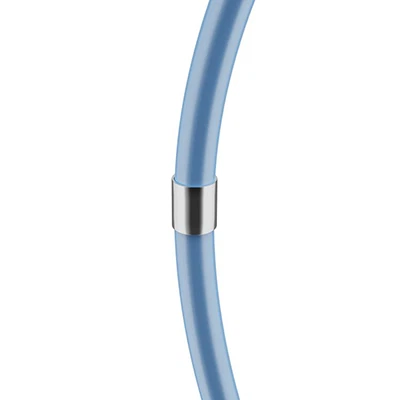


Metallic marker rings are essential components in modern medical devices, providing critical functionality in diagnostics, imaging, and therapeutic procedures. Made from high-quality metals such as platinum-iridium (PtIr), stainless steel, or gold, these marker rings offer excellent radiopacity, enabling medical professionals to accurately visualize and position devices inside the body. Their use spans a wide range of applications, from catheterization to stent deployment and beyond, making them a key element in enhancing the precision and safety of medical procedures.

Our capacity
The material of marker rings we can do
Ta1, Pt, PtIr 10, PtIr 15, PtIr 20, PtW5, AU,SS304
OD: 0.007"-0.5"
Min Wall:0.0007"
Applications of Metallic Marker Rings
1. Catheter tubing: PTFE liner thin-walled tube is used in catheter tubing applications, which require high precision and durability. PTFE exhibits excellent chemical resistance, which ensures that the tubing does not degrade in contact with body fluids and other chemicals.
2. Surgical instruments: PTFE liner thin-walled tube is often used to make surgical instruments that require high precision and resistance to chemical corrosion. PTFE's low coefficient of friction ensures that surgical instruments can be easily maneuvered through tissue, thereby reducing the risk of damage and infection.
3. Gas chromatography: In gas chromatography, PTFE liner thin-walled tube is used as a lining for the column, as it offers excellent chemical inertness and high purity.
4. Biomedical sensors: PTFE liner thin-walled tube is used in biomedical sensors, which require high precision, as well as resistance to heat and chemicals.
5. Mechanical seals: PTFE liner thin-walled tube is used to make mechanical seals, which offer excellent resistance to heat, pressure, and chemical attack.


Advantages and Disadvantages of PTFE Etched Tube
Catheters
Metallic marker rings are often placed near the tip of catheters to allow real-time imaging during insertion or procedures. They are critical for positioning catheters in complex vascular systems or other delicate areas of the body.
Stents
In stent deployment, metallic marker rings are used to mark the location of the stent, helping surgeons or interventional radiologists position the device accurately and track its deployment.
Electrophysiology Devices
In electrophysiology catheters, metallic marker rings help identify the location of electrodes for heart mapping and ablation procedures, ensuring precision during diagnostic and therapeutic procedures.
Implantable Medical Devices
Metallic marker rings are also used in implantable devices like pacemakers, defibrillators, and neurostimulators. Their visibility ensures proper placement and function throughout the lifespan of the device.
Imaging & Guidance Systems
For imaging-guided procedures, metallic marker rings provide enhanced visualization, making it easier for clinicians to track the location of medical devices and deliver effective treatment.
Advantages of Metallic Marker Rings
Enhanced Imaging
The radiopaque nature of metallic marker rings allows for clear visualization during imaging procedures, providing a valuable tool for accurate device placement and monitoring.
Precision and Reliability
Designed with high precision, these rings ensure that medical devices perform exactly as intended, reducing the risk of errors during surgery or treatment.
Longevity
The durability of the materials used ensures that metallic marker rings maintain their performance over time, even in harsh bodily environments.
Safety
By providing clear markers on medical devices, metallic marker rings help reduce the risk of complications, offering both clinicians and patients confidence in the procedures being performed.
Hot Tags: metallic marker rings in medical devices, China metallic marker rings in medical devices manufacturers, suppliers, factory, marker band, Platinum Iridium Marker Bands, Platinum Marker Bands, radiopaque material