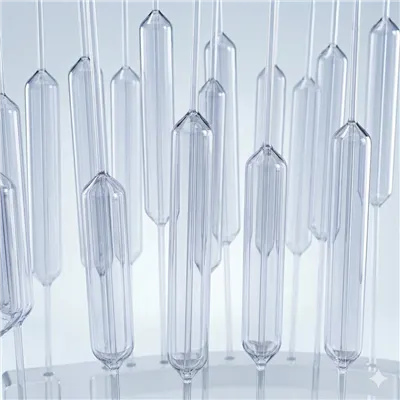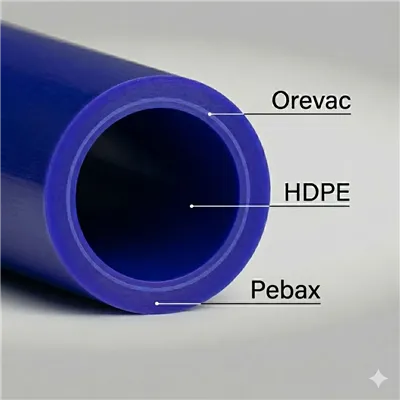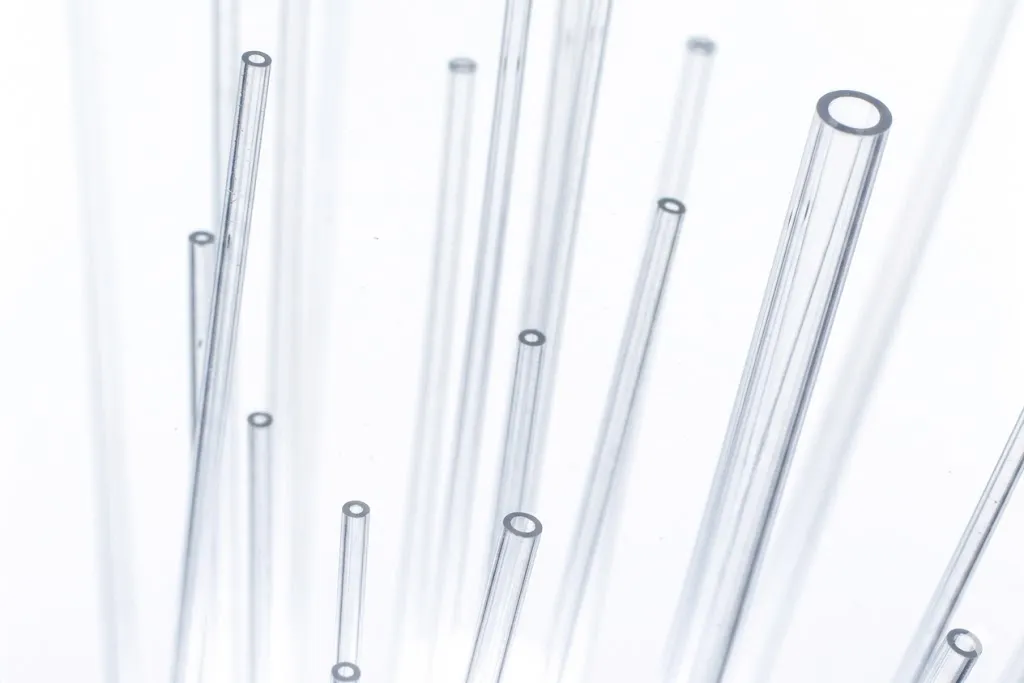
Shanghai CAREWE Medical is a leading medical-grade extruded tubing manufacturer, providing a wide range of tubing solutions to the medical industry. Our products include PTFE (Teflon) tubing, PTFE etching tubing, FEP heat shrink tubing, PET heat shrink tubing, PTFE heat shrink tubing, PVDF tubing, FEP tubing, PEEK tubing, PEBAX, Nylon, TPU, and many other tubes. Our team has over 10 years of experience in manufacturing tubing for catheter assemblies and we have now launched new products such as metal rings made of Pt Ir and tantalum rings, as well as enhancing our capabilities in secondary processing, such as PTFE etching tubes, multi-lumen tubes, printing on PTFE tubing and tip forming.
Why Choose Us
Rich experience
Our team has over 10 years of experience in manufacturing tubing for catheter assemblies and as well as enhancing our capabilities in secondary processing.
Good service
Our have provide exceptional service to our customers by offering high-quality products, outstanding customer support, and innovative technologies.
Advanced equipment
Our facilities include a large production area with a specialized cleanroom for extrusion and secondary processes.
Quality control
We operate state-of-the-art extrusion lines with the latest technology and strict quality control procedures to ensure that every product that leaves our facilities meets the highest standards of quality.
-
![Tantalum Marker Bands]() Tantalum Marker BandsShanghai CAREWE Medical's Tantalum Marker Bands are precision radiopaque rings designed for medical device development. We specialize in small-batch R&D orders with fast turnaround, helping engineers quickly prototype and test devices.read more
Tantalum Marker BandsShanghai CAREWE Medical's Tantalum Marker Bands are precision radiopaque rings designed for medical device development. We specialize in small-batch R&D orders with fast turnaround, helping engineers quickly prototype and test devices.read more -
![Radiopaque Marker Bands]() Radiopaque Marker BandsRadiopaque marker bands are critical components embedded in PTCA (Percutaneous Transluminal Coronary Angioplasty) balloon catheters to enhance visualization under X-ray and fluoroscopy. These markers allow clinicians to accurately positionread more
Radiopaque Marker BandsRadiopaque marker bands are critical components embedded in PTCA (Percutaneous Transluminal Coronary Angioplasty) balloon catheters to enhance visualization under X-ray and fluoroscopy. These markers allow clinicians to accurately positionread more -
![Platinum Iridium Medical Marker Ring]() Platinum Iridium Medical Marker RingMarker rings are critical components integrated into stent delivery catheters to enhance visibility under X-ray and fluoroscopy. Shanghai CAREWE Medical manufactures high-precision marker rings that provide clinicians with reliable visualread more
Platinum Iridium Medical Marker RingMarker rings are critical components integrated into stent delivery catheters to enhance visibility under X-ray and fluoroscopy. Shanghai CAREWE Medical manufactures high-precision marker rings that provide clinicians with reliable visualread more -
![Steel Marker Band]() Steel Marker BandMarker Bands are essential components designed to enhance the visibility of medical devices under X-ray, fluoroscopy, and other imaging modalities. Shanghai CAREWE Medical manufactures high-precision marker bands that provide cliniciansread more
Steel Marker BandMarker Bands are essential components designed to enhance the visibility of medical devices under X-ray, fluoroscopy, and other imaging modalities. Shanghai CAREWE Medical manufactures high-precision marker bands that provide cliniciansread more -
![Medical Ring Electrodes]() Medical Ring ElectrodesProducts Description Electrode rings play an indispensable role in modern medical devices, providing reliable electrical contact, precise positioning, and imaging visibility across a spectrum of diagnostic and therapeutic applications. Whyread more
Medical Ring ElectrodesProducts Description Electrode rings play an indispensable role in modern medical devices, providing reliable electrical contact, precise positioning, and imaging visibility across a spectrum of diagnostic and therapeutic applications. Whyread more -
![Metallic Marker Rings in Medical Devices]() Metallic Marker Rings in Medical DevicesProducts Description Metallic marker rings are essential components in modern medical devices, providing critical functionality in diagnostics, imaging, and therapeutic procedures. Made from high-quality metals such as platinum-iridiumread more
Metallic Marker Rings in Medical DevicesProducts Description Metallic marker rings are essential components in modern medical devices, providing critical functionality in diagnostics, imaging, and therapeutic procedures. Made from high-quality metals such as platinum-iridiumread more -
![Pt Ir10 Marker Ring]() Pt Ir10 Marker RingOur company is proud to offer a wide range of reliable and high-quality medical platinum-iridium rings. These rings have a variety of applications in medical equipment, and we pride ourselves on their superior quality and reliability.read more
Pt Ir10 Marker RingOur company is proud to offer a wide range of reliable and high-quality medical platinum-iridium rings. These rings have a variety of applications in medical equipment, and we pride ourselves on their superior quality and reliability.read more -
![Radiopaque Ring]() Radiopaque RingMarker bands and rings have revolutionized the field of medical catheterization. They are widely used in medical catheters to enhance the accuracy and reproducibility of the imaging and positioning of the catheter during various medicalread more
Radiopaque RingMarker bands and rings have revolutionized the field of medical catheterization. They are widely used in medical catheters to enhance the accuracy and reproducibility of the imaging and positioning of the catheter during various medicalread more -
![Platinum Iridium Marker Bands]() Platinum Iridium Marker BandsAt present, the development ring we produce can achieve the size range of the outer diameter of 0.17~8.5mm and the wall thickness of 0.025-6mm. With the increase of production equipment, the size range will be expanded, and theread more
Platinum Iridium Marker BandsAt present, the development ring we produce can achieve the size range of the outer diameter of 0.17~8.5mm and the wall thickness of 0.025-6mm. With the increase of production equipment, the size range will be expanded, and theread more -
![Platinum Marker Bands]() Platinum Marker BandsMarker bands are one of the most beneficial innovations in the medical field, providing practitioners with a powerful tool to identify specific anatomical points quickly and accurately.read more
Platinum Marker BandsMarker bands are one of the most beneficial innovations in the medical field, providing practitioners with a powerful tool to identify specific anatomical points quickly and accurately.read more


Marker bands, often referred to as radiopaque markers or medical rings, are small, metallic components that play a pivotal role in modern medical procedures, particularly in minimally invasive surgeries. These bands are crucial for the accurate positioning and deployment of medical devices such as catheters, stents, and implants, facilitating precision that is essential for successful patient outcomes.
Benefits of Marker Band
Enhanced precision: Marker bands enable precise localization and deployment of devices. This is particularly critical in complex procedures such as angioplasty and stent placement, where accurate positioning can significantly impact the success of the intervention.
Reduced procedure time: The clear visualization offered by marker bands can streamline cardiac procedures, potentially reducing the time spent in the operating room. This not only enhances efficiency but also minimizes the risk of complications associated with prolonged procedures.
Improved visualization: By providing distinct visual cues under imaging techniques, marker bands help physicians monitor device movement in real-time, reducing the likelihood of misplacement and enhancing overall procedural control.
Increased safety: Marker bands contribute to patient safety by ensuring that devices are accurately placed, thereby reducing the risk of damage to blood vessels and surrounding tissues.
Types of Marker Band
Metal marker bands
Tantalum is a commonly chosen material for marker bands due to its high biocompatibility, non-reactivity, and excellent radiopacity. It effectively blocks X-rays, making it valuable for identifying and targeting tumors, marking vascular access ports, and guiding medical device placement.
Platinum Iridium Marker Band is a metal ring used for X-ray imaging marking of the working area in minimally invasive medicine. Marker bands are used in the medical industry to provide radiopaque marking for catheter tubes and sensors during angioplasty and other procedures.
Polymer marker band
A polymer marker band is generally a highly loaded tungsten-filled thermoplastic polymer that can be created in multiple in sizes and wall thicknesses. It is typically heat bonded to a catheter shaft to provide a high level of visibility under fluoroscopy (radiopacity). This allows surgeons to precisely locate the catheter within the body.
Application of Marker Band
Vascular interventions
In cardiology and interventional radiology, marker bands are placed on catheters, guidewires, and stents to precisely locate and navigate within blood vessels. They aid in the deployment of stents and treatment of vascular lesions.


Gastrointestinal procedures
In gastroenterology, marker bands are utilized to track the location and movement of endoscopes and other instruments within the gastrointestinal tract, facilitating the diagnosis and treatment of conditions like gastrointestinal bleeding and strictures.
Orthopedics
Orthopedic surgeons use marker bands on implants and instruments to ensure precise alignment and placement during joint arthroplasty, fracture fixation, and spinal surgery.


Oncology
Marker bands play a crucial role in radiation therapy and brachytherapy. They help in accurately positioning radiation sources within the body to target tumors while sparing healthy tissues.
Material of Marker Band
Platinum iridium alloy
Platinum Iridium Alloy, often referred to simply as platinum-iridium, is a material of significant importance in various medical applications, including the construction of radiopaque marker bands. This alloy is composed of two noble metals, platinum, and iridium, combined in varying proportions to achieve specific properties that make it suitable for use in medical devices.
01
Tantalum
Tantalum, a rare and corrosion-resistant metal, is a favored choice for its exceptional radiopacity. Its high atomic number ensures effective absorption of X-rays, rendering it a standout material in the composition of radiopaque marker bands. Tantalum's robustness and inert nature make it suitable for a wide array of medical applications, especially in procedures where durability and stability are paramount.
02
Platinum
Platinum, with its noble characteristics and resistance to corrosion, is another stalwart in the construction of marker bands. Its radiodensity allows for clear visibility in medical imaging, making it an invaluable component in the quest for precision. Often alloyed with other metals to enhance specific properties, platinum plays a crucial role in ensuring the reliability and efficacy of marker bands.
03
Gold
Gold, with its historical allure and malleability, finds its place in the composition of radiopaque marker bands. While not as dense as tantalum or platinum, gold's radiopacity, coupled with its biocompatibility, makes it a valuable addition. Particularly in applications where a balance between visibility and material characteristics is sought, gold contributes to the versatility of marker bands.
04
The Benefits of Embedding Marker Bands vs. Swaging
In order to identify the location of a catheter tip under fluoroscopy, the use of marker bands is commonplace in medical applications. These bands are typically platinum iridium metals that are easily detectable on the technology used during the surgeries but can also be made of tantalum or gold for certain applications. The marker bands are put on the catheter, either through swaging or embedding, as a shiny indicator to the surgeon of directly where in the body the tip is located as the operation progresses.
The significant difference between these two methods of how the marker band is adhered ultimately impacts the failure or success of the product, which begins at the development phase.
The development team behind the product design identify the need for a catheter with this marker band on the tip and begin the prototyping process. They bring the design to a contract manufacturer or the engineers responsible for bringing the design to life, who are faced with two options — swage the marker band on or embed it in the tip. This is a pivotal choice in the success of the product’s end use.
What are the differences between the two?
Swaging a marker band onto the tip has been the default choice for designs of this caliber. This method of adhesion is performed using a swaging machine with a special die that essentially hammers the marker band onto the extrusion. It is mechanically bonded onto the tip but is still exposed on the outer diameter.
Embedding a marker band into the tip is newer technology that is not always considered during development but has recently become more popular. This technique uses radiofrequency (RF) energy to physically flow the plastic around the marker band, totally encapsulating it within the extrusion wall. The marker band is not exposed to the inner nor outer diameters; it is completely within the extrusion.
After adhesion to the tip by either method, the physical result in terms of process development is expected to be the same — the marker band stays on the tip during the procedure. Specialized dies and tooling must be designed for both options, the cycle time per process is roughly equivalent, and they both require ownership of respective equipment, such as a swaging machine or RF generator. The upfront cost of this development for choosing to embed the marker band is slightly higher than swaging, but the ultimate cost of possible failure that results from swaging outweighs the upfront costs.
Ultrafast-Pulse Laser Machining Enables High Quality for Catheter Marker Bands
Marker bands enhance the ability to view catheters when performing noninvasive procedures.
Manufacturing surgical marker bands is challenging because of the precision required to create a tiny metal ring that will slide smoothly along the outer diameter of the catheter and remain in place during the procedure. The outer diameter of a catheter can be as small as 100μm, meaning the marker band must be slightly larger to fit over the catheter, with surface and edge smoothness to allow it to be accurately placed without damaging the catheter.
Another challenge associated with marker bands is that the materials involved are expensive—typically gold, platinum, or palladium. This makes precision machining even more important, as material loss can be very costly.
In traditional marker band manufacturing, the bands are cut roughly and then finished in post-processing. Typical post-processing steps include cleaning, deburring, honing, and chemical etching. Post-processing adds time and material loss to the manufacturing process.
A major breakthrough in marker band manufacturing has taken place with the advent of commercial-grade femtosecond laser technology. Ultrafast-pulse (UFP) lasers matter because they are able to remove material faster than the material can absorb heat. Heat damage—melting, burring, and recast—is one of the primary sources of cost and failure in marker band manufacturing. The heat-affected zone must be reworked with extensive post-processing (deburring, polishing), often manually, resulting in lower yields and longer cycle times.
Even with the promise of UFP lasers, the raw material of the marker band—a metal tube—must be accurately held and moved through the machining processes. The pulse delivery must be synchronized with the motion of the material. The margin for error in marker band manufacturing is pretty close to zero. Each part must meet specification, and part-to-part consistency is also critical.
A UFP laser machining system achieves unprecedented accuracy in a single process, with surface and edge quality ensuring part performance.
The cutting platform delivers part-to-part accuracy and consistency in metal and metal marker bands without the need for post-processing. It also eliminates the need for interior dimension honing, acid etch, and bead blasting steps typical of other manufacturing processes.
Effects of Coating Degradation on Marker Band Visibility
Metal coating degradation can have a significant impact on the visibility of marker bands under imaging. As metal coating degrades, the size of the marker band decreases and its brightness decreases as well. This affects the contrast between the marker band and the background, making it harder to see. Additionally, the metal coating may become corroded, making it highly reflective and decreasing its visibility. As the coating degrades, the marker band may also become distorted, making it harder to distinguish from the background.
The durability of the metal coating plays a significant role in determining the visibility of the marker band. Over time, the metal coating may become brittle and crack, leading to the gradual degradation of the coating. This can cause the marker band to become less visible as the metal coating flakes off. Additionally, the metal coating may corrode, leading to the formation of pits and other defects, which reduce the visibility of the marker band.
The imaging technique used to view the marker band can also influence its visibility. Different imaging techniques have different sensitivity levels, and some may not be able to detect the marker band if the metal coating is degraded. For example, optical microscopy has a high resolution and is able to detect small features, but it may not be sensitive enough to detect the marker band if the metal coating is heavily corroded or degraded. On the other hand, electron microscopy has a higher resolution and is able to detect smaller features, but its sensitivity to metal coating degradation may be lower.
Overall, metal coating degradation can have a significant impact on the visibility of marker bands under imaging, making it more difficult to identify them. The durability of the metal coating, the rate of degradation, and the imaging technique used to view the marker band all influence its visibility. It is important to ensure that the metal coating is durable enough to withstand the passage of time, and that the imaging technique used is sensitive enough to detect the marker band if the metal coating degrades.
Our Factory
Shanghai CAREWE Medical is a trusted partner in the medical industry, offering high-quality tubing solutions with unparalleled customer support. Whether you need custom extruded tubing solutions, secondary processing, or standard tubing products, we are committed to meeting your needs and exceeding your expectations. Let us help you achieve your medical breakthroughs today.

Certifications


FAQ
We're professional marker band manufacturers and suppliers in China, specialized in providing high quality custom service. We warmly welcome you to wholesale high-grade marker band from our factory.
Platinum Iridium Marker Bands, Platinum Marker Bands, radiopaque material-
![Medical Hypotube For Catheter]() Medical Hypotube For CatheterAs a critical component of minimally invasive interventional catheter delivery systems, the quality of aread more
Medical Hypotube For CatheterAs a critical component of minimally invasive interventional catheter delivery systems, the quality of aread more -
![Medical Balloon Extrusion]() Medical Balloon ExtrusionINTERVENTIONAL COMPONENT SOLUTIONS High-Performance Medical Balloon Tubing / Extrusion Precision-Engineered Thin-Wallread more
Medical Balloon ExtrusionINTERVENTIONAL COMPONENT SOLUTIONS High-Performance Medical Balloon Tubing / Extrusion Precision-Engineered Thin-Wallread more -
![Co-Extruded Tubing]() Co-Extruded TubingHigh-Precision Co-Extruded Tubing for PTCA Balloon Catheters Multi-Layer Co-Extruded Tubing: High-Performance Solutionsread more
Co-Extruded TubingHigh-Precision Co-Extruded Tubing for PTCA Balloon Catheters Multi-Layer Co-Extruded Tubing: High-Performance Solutionsread more -
![Balloon Tubing]() Balloon TubingMedical-Grade Balloon Tubing: Precision Multi-Layer & Single-Lumen Extrusions At Carewe Medical, we understand thatread more
Balloon TubingMedical-Grade Balloon Tubing: Precision Multi-Layer & Single-Lumen Extrusions At Carewe Medical, we understand thatread more -
![Tantalum Marker Bands]() Tantalum Marker BandsShanghai CAREWE Medical's Tantalum Marker Bands are precision radiopaque rings designed for medical device development.read more
Tantalum Marker BandsShanghai CAREWE Medical's Tantalum Marker Bands are precision radiopaque rings designed for medical device development.read more -
![Radiopaque Marker Bands]() Radiopaque Marker BandsRadiopaque marker bands are critical components embedded in PTCA (Percutaneous Transluminal Coronary Angioplasty)read more
Radiopaque Marker BandsRadiopaque marker bands are critical components embedded in PTCA (Percutaneous Transluminal Coronary Angioplasty)read more