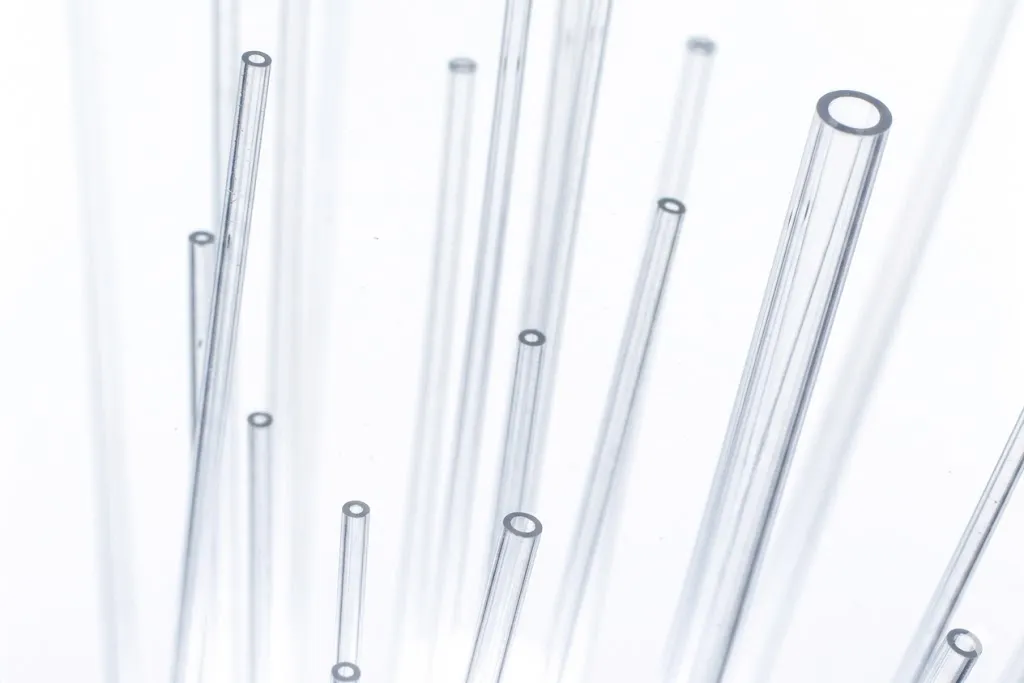
Shanghai CAREWE Medical is a leading medical-grade extruded tubing manufacturer, providing a wide range of tubing solutions to the medical industry. Our products include PTFE (Teflon) tubing, PTFE etching tubing, FEP heat shrink tubing, PET heat shrink tubing, PTFE heat shrink tubing, PVDF tubing, FEP tubing, PEEK tubing, PEBAX, Nylon, TPU, and many other tubes. Our team has over 10 years of experience in manufacturing tubing for catheter assemblies and we have now launched new products such as metal rings made of Pt Ir and tantalum rings, as well as enhancing our capabilities in secondary processing, such as PTFE etching tubes, multi-lumen tubes, printing on PTFE tubing and tip forming.
Why Choose Us
Rich experience
Our team has over 10 years of experience in manufacturing tubing for catheter assemblies and as well as enhancing our capabilities in secondary processing.
Good service
Our have provide exceptional service to our customers by offering high-quality products, outstanding customer support, and innovative technologies.
Advanced equipment
Our facilities include a large production area with a specialized cleanroom for extrusion and secondary processes.
Quality control
We operate state-of-the-art extrusion lines with the latest technology and strict quality control procedures to ensure that every product that leaves our facilities meets the highest standards of quality.
-
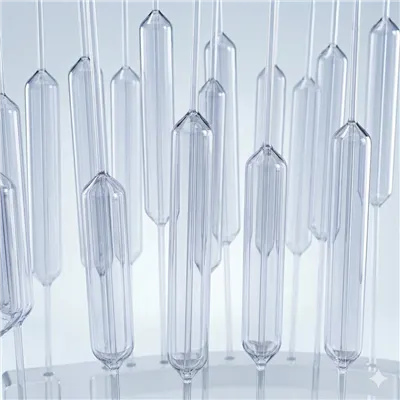
![Medical Balloon Extrusion]() Medical Balloon ExtrusionINTERVENTIONAL COMPONENT SOLUTIONS High-Performance Medical Balloon Tubing / Extrusion Precision-Engineered Thin-Wall Tubing for High-Pressure PTCA & Peripheral Balloon Catheters Our medical-grade balloon extrusion tubing is engineeredread more
Medical Balloon ExtrusionINTERVENTIONAL COMPONENT SOLUTIONS High-Performance Medical Balloon Tubing / Extrusion Precision-Engineered Thin-Wall Tubing for High-Pressure PTCA & Peripheral Balloon Catheters Our medical-grade balloon extrusion tubing is engineeredread more -
![Co-Extruded Tubing]() Co-Extruded TubingHigh-Precision Co-Extruded Tubing for PTCA Balloon Catheters Multi-Layer Co-Extruded Tubing: High-Performance Solutions for PTCA Balloon Catheters At Carewe Medical, we engineer advanced co-extruded tubing specifically designed to solveread more
Co-Extruded TubingHigh-Precision Co-Extruded Tubing for PTCA Balloon Catheters Multi-Layer Co-Extruded Tubing: High-Performance Solutions for PTCA Balloon Catheters At Carewe Medical, we engineer advanced co-extruded tubing specifically designed to solveread more -
![Balloon Tubing]() Balloon TubingMedical-Grade Balloon Tubing: Precision Multi-Layer & Single-Lumen Extrusions At Carewe Medical, we understand that the performance of an interventional catheter depends heavily on the quality of its foundation. Our premium medicalread more
Balloon TubingMedical-Grade Balloon Tubing: Precision Multi-Layer & Single-Lumen Extrusions At Carewe Medical, we understand that the performance of an interventional catheter depends heavily on the quality of its foundation. Our premium medicalread more -
![Pebax 5533 Tubing]() Pebax 5533 TubingPEBAX 5533 tubing is a thermoplastic elastomer made of polyether and polyamide. It is a popular material in medical applications due to its unique properties such as high flexibility, high impact resistance, high temperature resistance,read more
Pebax 5533 TubingPEBAX 5533 tubing is a thermoplastic elastomer made of polyether and polyamide. It is a popular material in medical applications due to its unique properties such as high flexibility, high impact resistance, high temperature resistance,read more -
![Pebax 6333 Tubing]() Pebax 6333 TubingMedical-grade PTFE tubing is a block copolymer variation of PEBA (polyether block amide). It offers the great processing versatility across a range of flexural modulus and provides excellent mechanical, physical, chemical properties alongread more
Pebax 6333 TubingMedical-grade PTFE tubing is a block copolymer variation of PEBA (polyether block amide). It offers the great processing versatility across a range of flexural modulus and provides excellent mechanical, physical, chemical properties alongread more -
![Pebax 7233 Tubing]() Pebax 7233 TubingPebax 7233 tubing is widely used in the medical field due to its unique properties, which make it an ideal material for a variety of medical applications.read more
Pebax 7233 TubingPebax 7233 tubing is widely used in the medical field due to its unique properties, which make it an ideal material for a variety of medical applications.read more


What Is Pebax Tubing?
Pebax tubing is composed of a blend of thermoplastic elastomers, typically consisting of polyether and polyamide segments. This unique composition imparts Pebax tubing with its distinctive combination of flexibility, durability, and biocompatibility, making it an excellent choice for medical tubing applications.
Thin walls: Pebax® can be extruded into very thin tubing (down to 0.001 inches) due to its consistent flow and uniform structure.
Variable flexibility: Multiple layers with different flexibilities (25D to 74D) can be combined in the same tube.
Shape retention: Pebax® has high elastic memory, making it ideal for catheters and other devices that need to endure bending and twisting without breaking.
Consistent performance: Pebax® performs well at body temperature, ensuring catheters and other devices function reliably within the body.
Stable product size: The Balloon Material Tube maintains consistent dimensions, ensuring uniformity and reliability in the final balloon product.
Highly resistant to chemical degradation and offers low friction properties, reducing the risk of tissue irritation or damage during use.
Coaxiality ≥ 95%
This specification denotes the concentricity or alignment of the layers within the tube, ensuring that the balloon material is evenly distributed around the central axis. High coaxiality enhances the performance and reliability of the balloon during inflation and deflation.
Less appearance defects
The Balloon Material Tube exhibits minimal visual imperfections or defects such as air bubbles, wrinkles, or irregularities on the surface, ensuring aesthetic appeal and quality consistency in the final balloon product.
Balloon forming pass rate ≥ 90%
This specification indicates the success rate of the balloon forming process, where at least 90% of the balloon material tubes are successfully transformed into balloons without defects or failures. A high pass rate ensures manufacturing efficiency and reduces waste.
Types of Pebax Tubing
Catheters
Due to its inert nature and ability to produce multi-durometer lengths, PEBAX® is widely accepted as a catheter material of choice. PEBAX® has the ability to be reheated and form multiple components of a continuous length catheter. Since a catheter may require varying hardness along its length, one can use small sections of a hard PEBAX® followed by a soft PEBAX® grade. Additionally, it can easily be extruded into multi-lumen profiles, which is another desirable feature for catheters.
Balloon tubing
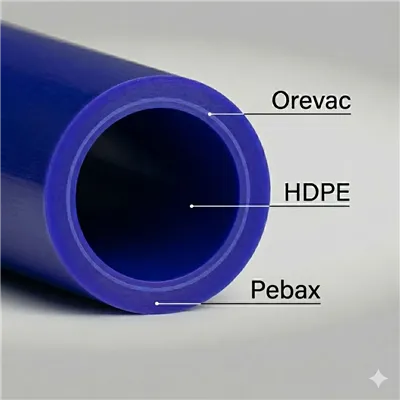
There are two main categories of balloon tubing: compliant (low pressure) balloons and high pressure balloons. PEBAX bridges the two categories because it can be easily coextruded with polyamides to have a higher modulus, but it is softer than traditional low pressure balloons. Due to this lower level of softness, it is still able to maintain a relatively higher burst (depending on durometer, wall thickness and nylon grade) and it can be used and then collapsed for ease of extraction during a procedure.
Application of Pebax Tubing
General fluid transfer: Due to the inertness of PEBAX®, it performs very well in cytotoxicity texting and thus is well suited for sensitive blood transfer applications where any disruption of blood cells could have undesirable outcomes. Additionally, it has a slightly higher flexural modulus than many TPEs and performs better in kink resistance testing.
Extrusion
There are numerous crucial processes in the extrusion process for this tubing:
Preparation
To guarantee ideal consistency and avoid moisture-related problems during extrusion, PEBAX pellets are dried.
Melting and mixing
To create a homogeneous consistency, the dry pellets are put into an extruder and melted and well combined.
Shaping
Next, a well-crafted die is used to push the molten PEBAX through. The molten plastic is shaped by this die into the appropriate tube profile, which includes the wall thickness, diameter, and even possibly intricate forms.
Cooling and finishing
After extrusion, the tube is chilled and solidified in a regulated environment. It then goes through finishing procedures including cutting and inspection to make sure it satisfies the requirements.

How to Maintain Pebax Tubing

Gentle cleaning
Use lukewarm water and mild soap for regular cleaning. Steer clear of abrasive cleansers and strong chemicals since they might cause surface damage to the tubing.
Chemical compatibility
Verify that fluids are compatible with PEBAX before handling them. Steer clear of extended exposure to strong chemicals since this might damage the tubing.
Cool and dry storage
Keep your tubing in a cool, dry location when not in use. Steer clear of extreme heat or intense sunshine since they may eventually alter the tubing’s characteristics.
Limitations
Cost: Pebax® may be more expensive than some other plastic materials, which could limit its use in cost-sensitive applications.
Heat resistance: Although Pebax® has good thermal resistance, it may not be as stable at extremely high temperatures as some specialized engineering plastics.
Resistance limitations: While Pebax® is resistant to many chemicals, it may be sensitive to certain solvents or chemicals, limiting its application in specific chemical environments.
Processing conditions: Processing Pebax® may require specific conditions and equipment to ensure the best performance of the material.
Long-term stability: Long-term exposure to certain environmental factors, such as ultraviolet light or certain types of radiation, may cause degradation of Pebax®.
Application limitations: Although Pebax® has a wide range of applications, it may not be suitable for applications requiring extreme mechanical properties or special electrical properties.
Environmental impact: Compared to other biodegradable materials, the environmental impact and sustainability of Pebax® may require further assessment.
To start the medical tubing manufacturing process, a polymer must be chosen for your application. Some of the most common polymers used in the medical industry include polycarbonate, polypropylene, and polyethylene — however, there are other options you can discuss with your manufacturing partner.
Once the polymer is chosen, the manufacturing process can begin. Typically, due to the nature of the application of these products, manufacturing will take place in an ISO-certified cleanroom. Cleanrooms are a controlled manufacturing environment that filters out pollutants that may harm the patient or impact the function of the product. By producing medical tubing in a cleanroom, you will ensure that your products are free from harmful debris or pollutants when they leave production.
During the manufacturing process, the chosen plastic is fed into the barrel of the plastic extruder. Here it is melted by heaters and turning screws. Then, the melted plastic is forced through the extrusion die, and as it cools, the polymer takes its permanent shape.
Our Factory
Shanghai CAREWE Medical is a trusted partner in the medical industry, offering high-quality tubing solutions with unparalleled customer support. Whether you need custom extruded tubing solutions, secondary processing, or standard tubing products, we are committed to meeting your needs and exceeding your expectations. Let us help you achieve your medical breakthroughs today.

Certifications


FAQ
We're professional pebax tubing manufacturers and suppliers in China, specialized in providing high quality custom service. We warmly welcome you to wholesale high-grade pebax tubing from our factory.
pebax tubing, Pebax 7233 Tubing, Pebax 5533 Tubing-
![Medical Balloon Extrusion]() Medical Balloon ExtrusionINTERVENTIONAL COMPONENT SOLUTIONS High-Performance Medical Balloon Tubing / Extrusion Precision-Engineered Thin-Wallread more
Medical Balloon ExtrusionINTERVENTIONAL COMPONENT SOLUTIONS High-Performance Medical Balloon Tubing / Extrusion Precision-Engineered Thin-Wallread more -
![Co-Extruded Tubing]() Co-Extruded TubingHigh-Precision Co-Extruded Tubing for PTCA Balloon Catheters Multi-Layer Co-Extruded Tubing: High-Performance Solutionsread more
Co-Extruded TubingHigh-Precision Co-Extruded Tubing for PTCA Balloon Catheters Multi-Layer Co-Extruded Tubing: High-Performance Solutionsread more -
![Balloon Tubing]() Balloon TubingMedical-Grade Balloon Tubing: Precision Multi-Layer & Single-Lumen Extrusions At Carewe Medical, we understand thatread more
Balloon TubingMedical-Grade Balloon Tubing: Precision Multi-Layer & Single-Lumen Extrusions At Carewe Medical, we understand thatread more -
![Tantalum Marker Bands]() Tantalum Marker BandsShanghai CAREWE Medical's Tantalum Marker Bands are precision radiopaque rings designed for medical device development.read more
Tantalum Marker BandsShanghai CAREWE Medical's Tantalum Marker Bands are precision radiopaque rings designed for medical device development.read more -
![Radiopaque Marker Bands]() Radiopaque Marker BandsRadiopaque marker bands are critical components embedded in PTCA (Percutaneous Transluminal Coronary Angioplasty)read more
Radiopaque Marker BandsRadiopaque marker bands are critical components embedded in PTCA (Percutaneous Transluminal Coronary Angioplasty)read more -
![Platinum Iridium Medical Marker Ring]() Platinum Iridium Medical Marker RingMarker rings are critical components integrated into stent delivery catheters to enhance visibility under X-ray andread more
Platinum Iridium Medical Marker RingMarker rings are critical components integrated into stent delivery catheters to enhance visibility under X-ray andread more