1. All the prefabrication work is carried out at the head of the bridge and pushed onto the bridge section by section, without large lifting force and long-distance transportation;
2. There is no need to set up scaffolding in the bridge hole, so that it is not affected by the water flow and traffic under the bridge; Only when the span of the porous bridge exceeds 60 meters, temporary steel row piers must be added, and these steel row frames can be dismantled and recycled; If there is only one big hole across the river or a deep valley, although its span is as large as 100 meters, it is still not necessary to set up a temporary pier in the big hole;
3. The friction coefficient of PTFE tube is very small, only between 2% ~ 5%, so the thrust of tens of thousands of tons of bridge is only a few hundred tons, so the jacking equipment is relatively simple, although the PTFE plate has loss, but the total construction degree is low;
4. The construction period is generally not affected by the seasons such as floods and drift ice, the construction progress is easy to grasp, and the total progress can also be determined by the too small of the prefabricated site at the bridgehead, if the short section of 4~5 meters can be developed to a long section of tens of meters, the construction progress can be greatly accelerated.
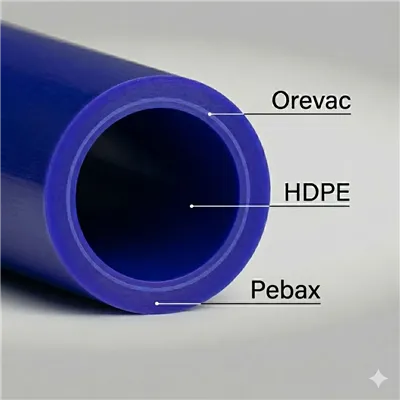
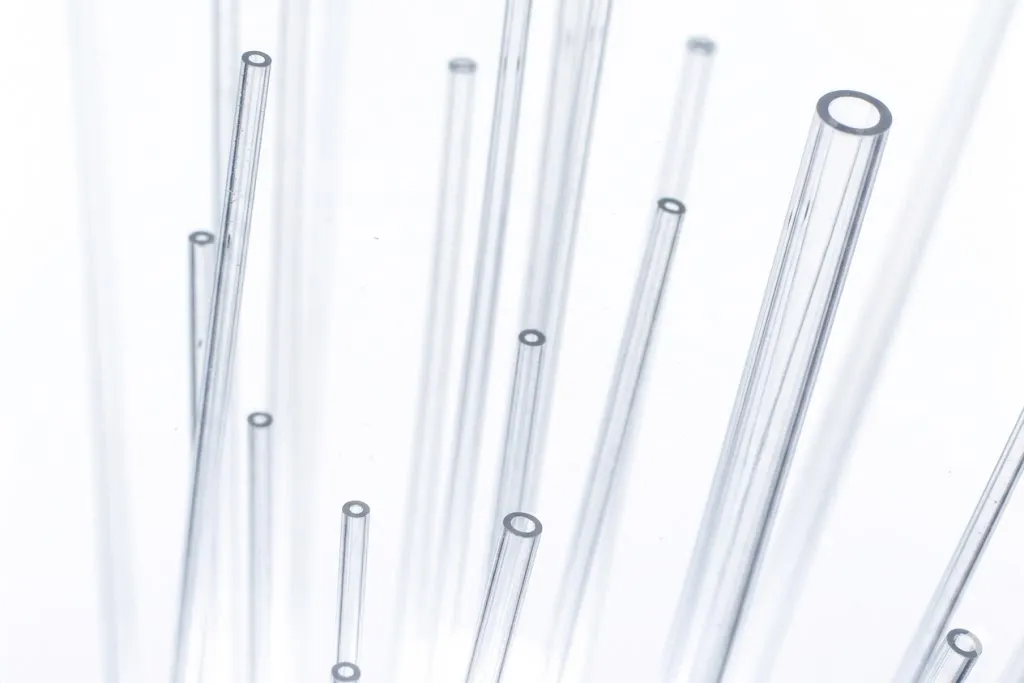
Moreover, due to the use of U-shaped steel belt composite PE material, the PTFE pipe greatly improves the stiffness of the pipe without increasing the cost, and the strength of the pipe is greatly improved compared with the winding pipe and carat pipe under the same weight, which can solve a series of problems such as heavy load, and the advantages of large-diameter steel belt pipe are more obvious, so it is lighter in weight and stronger performance than cement pipe and other plastic pipes. PTFE tube has good pressure resistance and impact resistance, has good adaptability to any foundation, good economy, large pipe diameter, lower cost than plastics of the same specification, good chemical resistance, and external anti-corrosion layer, which will not be polluted and corroded by anything.